
180° Panoramic Camera Technology Guide:
Reduce Camera Count Without Sacrificing Coverage
Learn how 180° panoramic security cameras help cover storefronts, parking lots, warehouses, and large commercial spaces with fewer cameras, cleaner installations, and fewer blind spots.
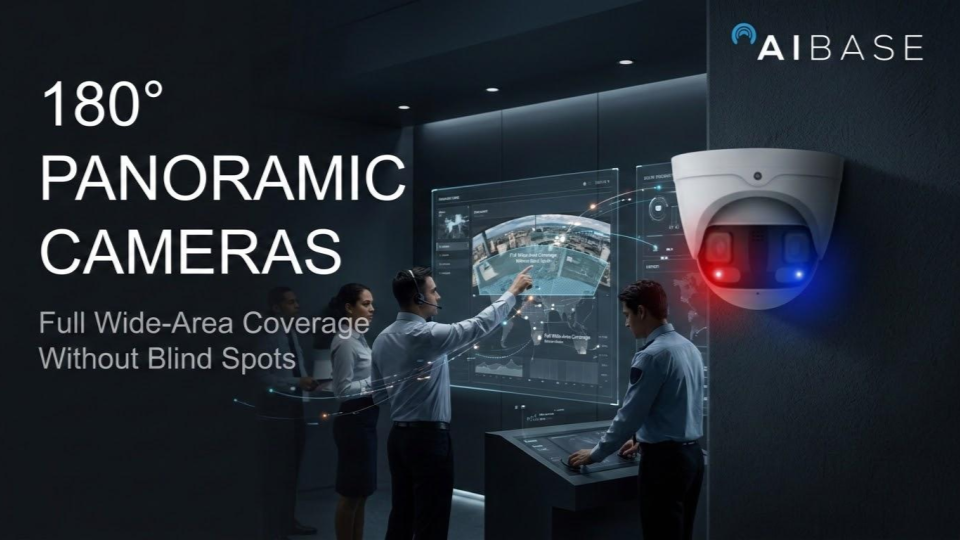
Based on real-world installer deployments across retail storefronts, parking lots, warehouses, loading docks, and commercial properties.
Executive Summary
One of the most common challenges in video surveillance is covering large open areas without creating blind spots or dramatically increasing camera count.
Parking lots, storefronts, warehouse loading areas, long exterior walls, and open commercial spaces often require multiple traditional cameras to achieve full coverage.
180° panoramic security cameras solve this challenge by providing ultra-wide coverage from a single mounting location.
The real question is not “How many cameras can we install?” The better question is “How much useful coverage can we deliver with the cleanest possible system design?”
Single Lens vs. Dual Lens 180°
Related: Watch the Ameta Academy Friday Live episode covering 180° panoramic camera technology, single-lens vs dual-lens design, deployment tips, and real installer applications.
What Is a 180° Panoramic Security Camera?
A 180° panoramic security camera is designed to capture an ultra-wide field of view using either a specialized single lens or multiple lenses combined into a seamless panoramic image.
Instead of monitoring a scene with multiple traditional cameras, a panoramic camera allows security professionals to cover large areas with a single device.
- Fewer cameras required
- Reduced installation costs
- Fewer blind spots
- Simpler system design
- Easier video review
- Lower network and infrastructure requirements
Why Traditional Cameras Create Coverage Gaps
Standard fixed-lens cameras are excellent for focused monitoring, but they often struggle with wide-area coverage.
Storefronts
A typical storefront may require one camera for the left side, one camera for the right side, and one camera for the entrance. A single 180° panoramic camera can often cover the same front-facing scene with a cleaner installation.
Commercial Parking Lots
Parking lots often require visibility across parked vehicles, pedestrian activity, vehicle movement, and entry flow. With traditional cameras, this can quickly increase hardware count and installation complexity.
Warehouse Exteriors
Long exterior walls, loading bays, forklift movement, and vehicle traffic often require multiple traditional cameras. Panoramic cameras help reduce camera count while maintaining broad visibility.
Single-Lens vs Dual-Lens Panoramic Cameras
Not all panoramic cameras are designed the same way. The right choice depends on the shape of the scene you need to cover.
| Camera Type | Image Shape | Best For |
|---|---|---|
| Single-Lens Panoramic | Taller image with more top-to-bottom visibility | Storefronts, hallways, entrances, tighter commercial spaces |
| Dual-Lens Panoramic | Wider horizontal end-to-end coverage | Parking lots, warehouses, industrial facilities, large open areas |
When to Choose Single Lens vs. Dual Lens 180?
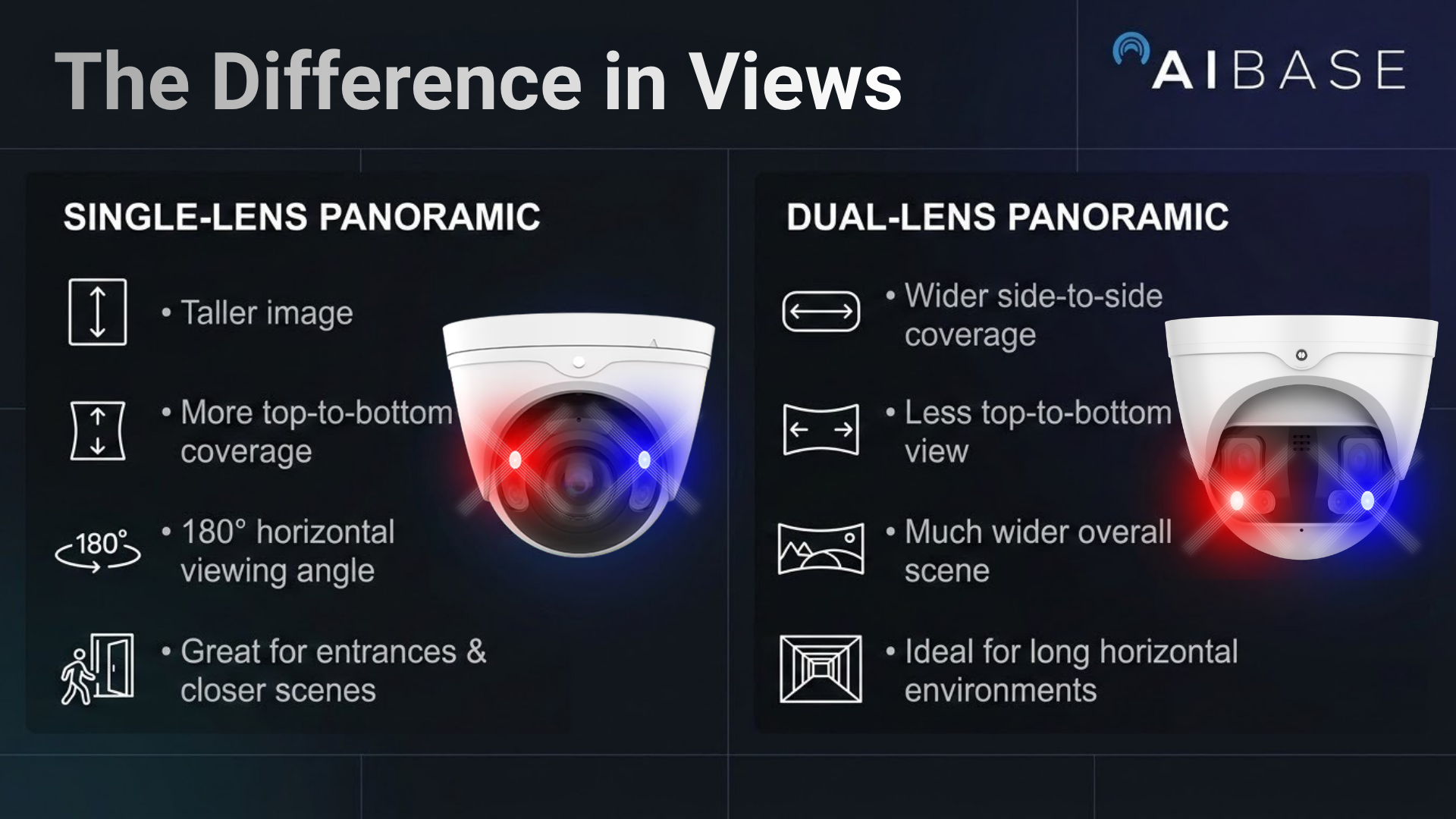
Single Lens is more top-to-bottom, Dual Lens is more wide-screen!
See the Difference: Sample 180° Panoramic Camera Views
Specifications tell part of the story. Real-world camera views tell the rest.
A 180° panoramic camera is impressive because it allows the viewer to see an entire scene from one camera position. Instead of stitching together multiple views from several cameras, the customer gets one clean, wide image that helps them understand what is happening across the full area.
This is especially powerful for storefronts, parking lots, and warehouse exteriors where missing just one corner of the scene can create a blind spot.
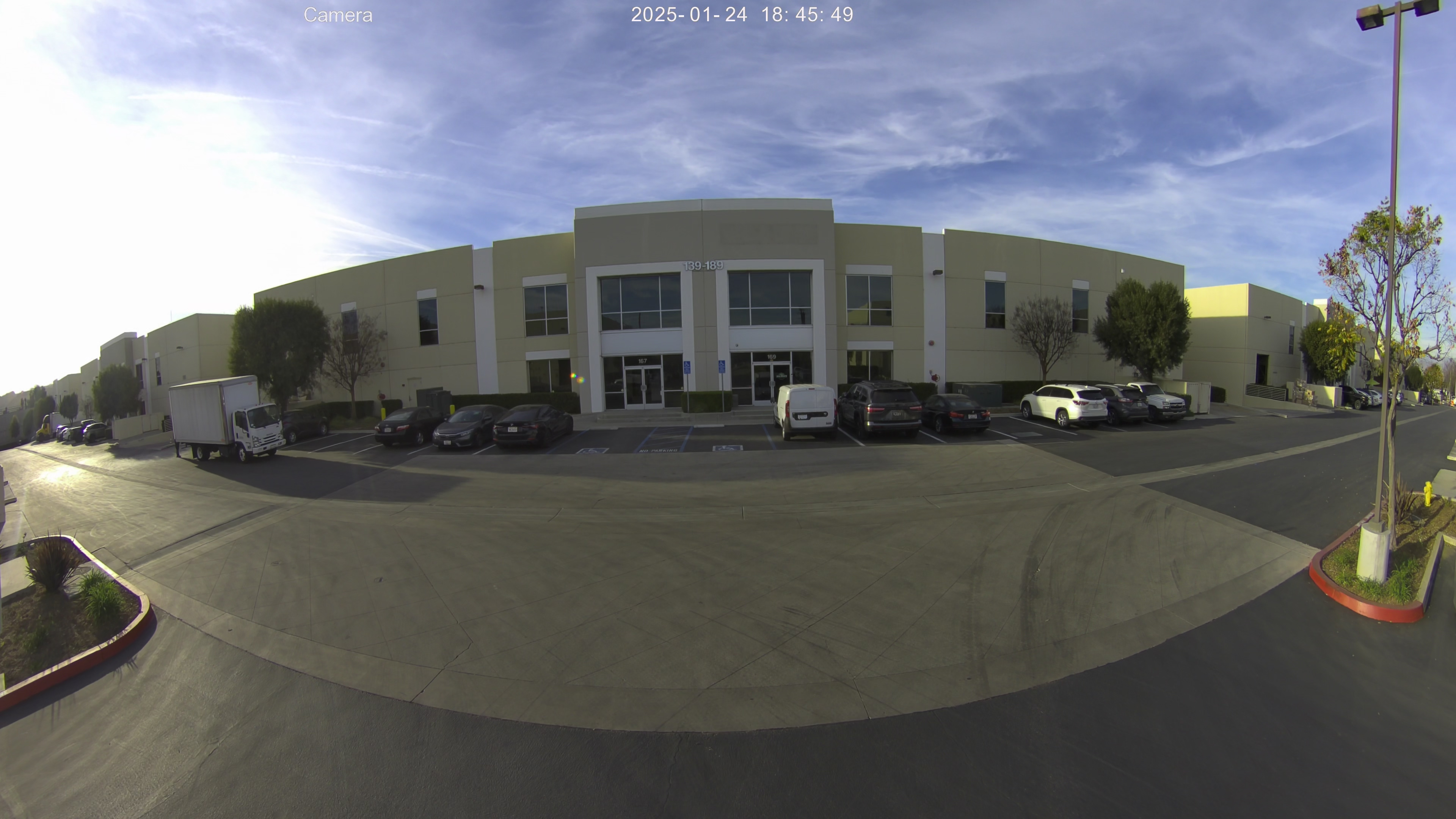
Single Lens 180 Camera: A versatile choice for wide angle view combined with full top to bottom coverage.
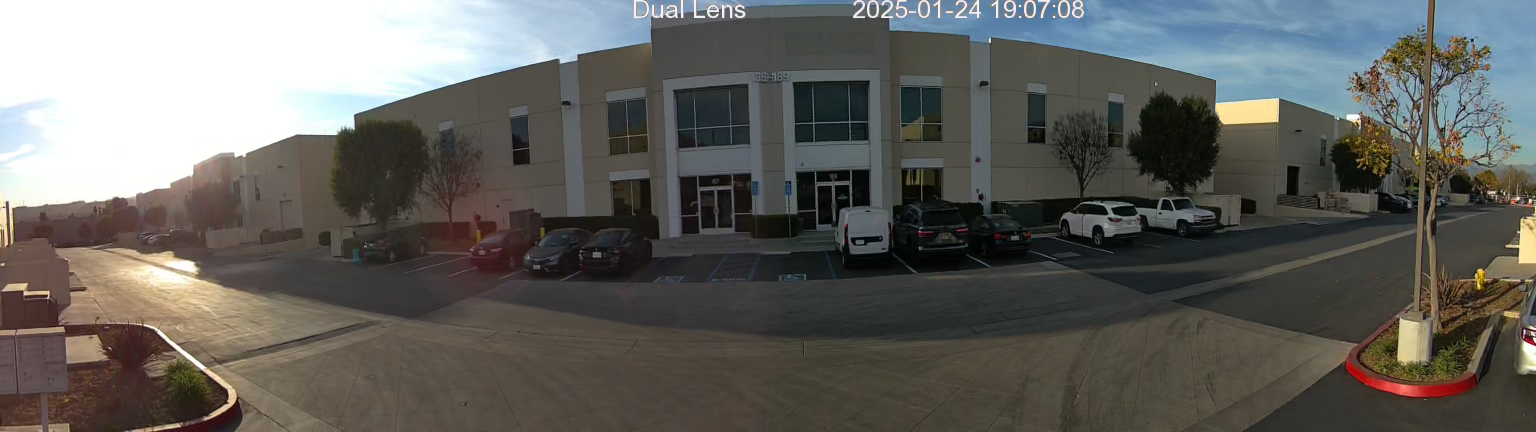
Dual Lens 180 Camera:For ultra-wide coverage that stretches to vanishing points on both sides.
What Makes Panoramic Cameras So Practical?
The value of a panoramic camera is not just resolution. The value is coverage. A well-placed 180° panoramic camera can simplify the entire system design by reducing camera count, minimizing blind spots, and giving customers a cleaner way to monitor large open areas.
Which Panoramic Camera Is Right for Your Project?
| Project Type | Recommended Camera Type | Reason |
|---|---|---|
| Storefront | Single Lens | Better top-to-bottom visibility near entrances |
| Hallway | Single Lens | Strong coverage in tighter spaces |
| Parking Lot | Dual Lens | Wider horizontal scene coverage |
| Warehouse Exterior | Dual Lens | Better end-to-end wall coverage |
| Loading Dock | Dual Lens | Excellent for vehicle and activity monitoring |
Real-World Deployment Examples
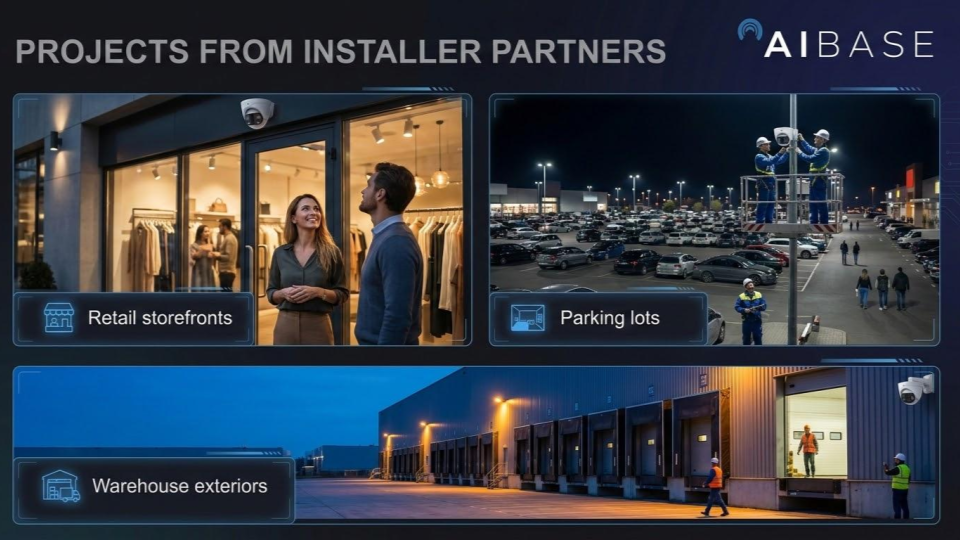
Retail Storefronts
A traditional storefront installation may require multiple cameras to cover the left side, right side, and entrance. By mounting one 180° panoramic camera centrally, installers can often cover the same front-facing area with fewer cameras and fewer blind spots.
Commercial Parking Lots
Parking lots need visibility across parked vehicles, entry flow, pedestrian activity, and vehicle movement. A panoramic camera mounted on the building facade can help cover the entire front parking area while keeping the system cleaner and easier to manage.
Warehouses and Loading Areas
Loading areas often include long exterior walls, loading bays, forklift movement, and vehicle traffic. Panoramic cameras allow installers to reduce camera count while maintaining full visibility across the activity zone.
Five Tips for Successful Panoramic Camera Deployments
1. Match the Camera to the Scene
Use single-lens panoramic cameras when the scene needs more top-to-bottom visibility. Use dual-lens panoramic cameras when the scene requires wider end-to-end coverage.
2. Mount the Camera Centrally
Panoramic cameras work best when mounted near the center of the viewing area. Proper placement helps maximize coverage and reduce blind spots.
3. Sell Coverage, Not Megapixels
The value of a panoramic camera is not just resolution. The value is replacing multiple cameras with one wider, cleaner view.
4. Use Panoramic Cameras for Horizontal Wide-View Coverage
These cameras perform especially well in storefronts, hallways, parking lots, loading areas, and building exteriors where wide-area monitoring is needed.
5. Do Not Forget Active Deterrence
Wide coverage combined with warning lights, audio response, and AI-triggered alerts creates a stronger proactive security solution.
AIBASE 180° Panoramic Camera Solutions
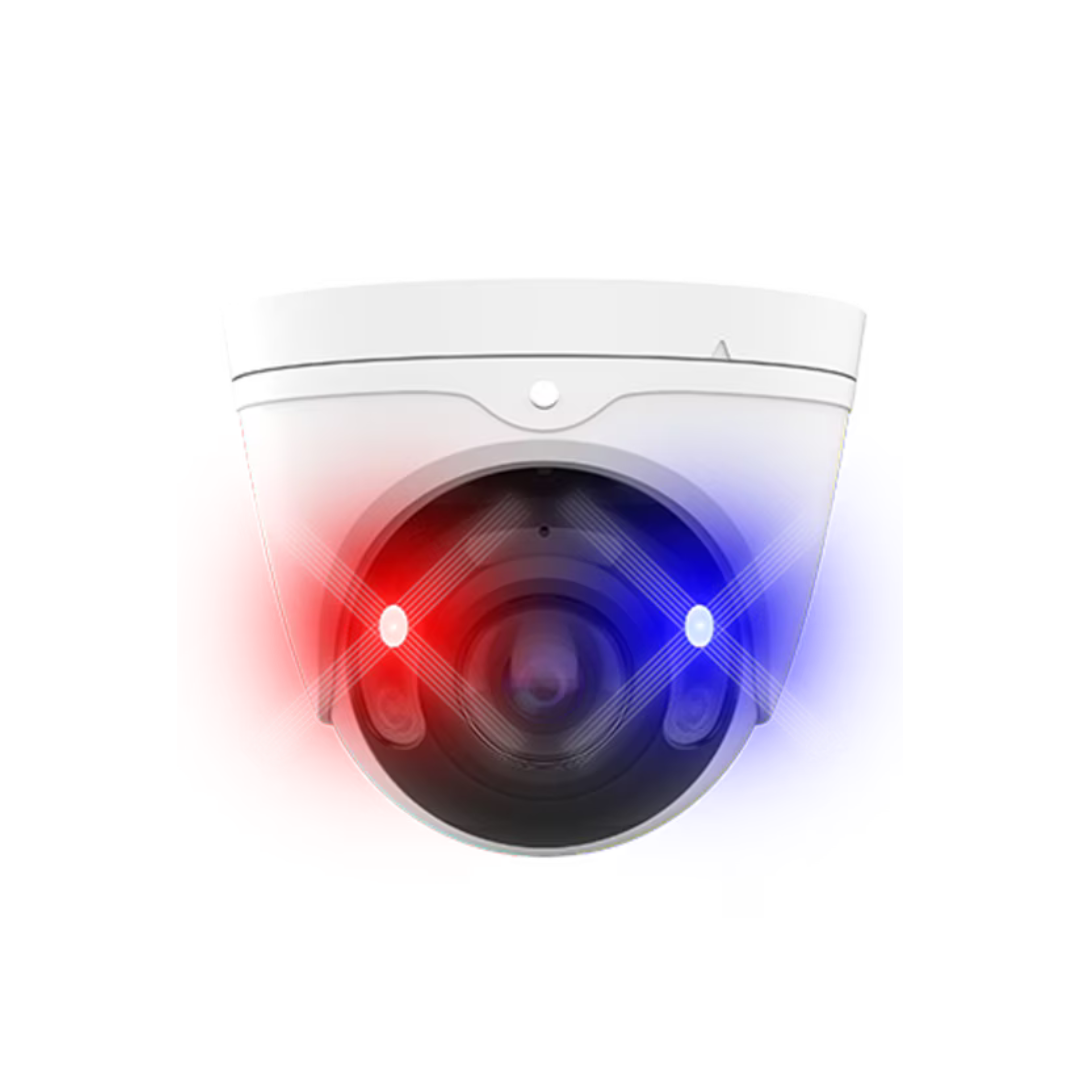
AIBASE 5MP Single-Lens Panoramic Turret
CAM-IP3155W-180-PV-AIA strong everyday panoramic camera for commercial projects where taller image coverage is important.
- 180° coverage
- 5MP resolution
- Full-color night vision
- Active deterrence
- Built-in microphone and speaker
- AI analytics
Best for: Storefronts, hallways, building entrances, and closer commercial monitoring environments.
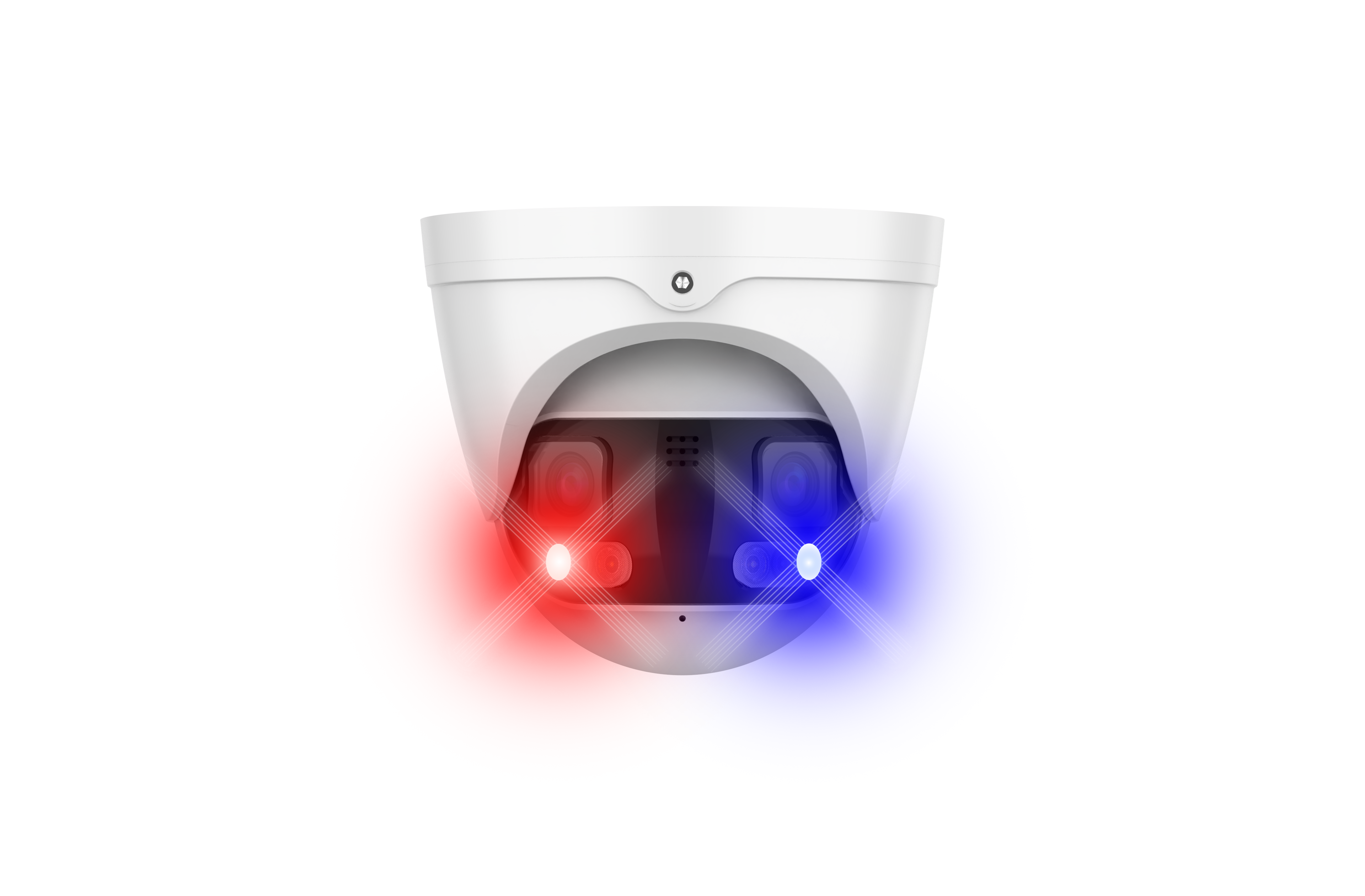
AIBASE 4K Dual-Lens Panoramic Turret
CAM-IP3158W-DL-PV-AIDesigned for wider side-to-side visibility and large-area monitoring where horizontal coverage is the priority.
- Ultra-wide panoramic coverage
- Dual-lens imaging
- 4K resolution
- Full-color imaging
- Active deterrence
- AI analytics
Best for: Parking lots, warehouses, industrial facilities, loading docks, and large commercial spaces.
Frequently Asked Questions
Can a panoramic camera replace multiple cameras?
In many applications, yes. A 180° panoramic camera is designed to reduce camera count by covering a wide scene from a single mounting location.
Are panoramic cameras good for parking lots?
Yes. Parking lots are one of the strongest applications for panoramic cameras because they require wide visibility across vehicles, pedestrians, and entry points.
What is the difference between single-lens and dual-lens panoramic cameras?
Single-lens panoramic cameras provide a taller image with more vertical visibility. Dual-lens panoramic cameras provide wider horizontal coverage for large open scenes.
Do panoramic cameras support AI analytics?
Yes. Many modern panoramic cameras support AI analytics such as line crossing, intrusion detection, loitering detection, and other event-based alerts.
Where should a panoramic camera be mounted?
Panoramic cameras usually perform best when mounted centrally along the viewing area. This helps maximize coverage and reduce blind spots.
Key Takeaways
- 180° panoramic cameras solve wide-area surveillance challenges.
- They can reduce camera count and installation complexity.
- Single-lens models are ideal for taller scene coverage.
- Dual-lens models are ideal for wider horizontal coverage.
- Storefronts, parking lots, warehouses, and commercial properties are excellent applications.
- Active deterrence makes panoramic cameras even more valuable in proactive security deployments.
- The value of a panoramic camera is not just image quality — it is smarter coverage.
Need help covering a large area?
The right panoramic camera depends on the shape of your scene, mounting location, lighting conditions, and coverage goals.
Contact our team to discuss your project or request a live demo of the AIBASE 180° Panoramic Camera Series.